
Loading IDSPS Consortium
Loading IDSPS Consortium
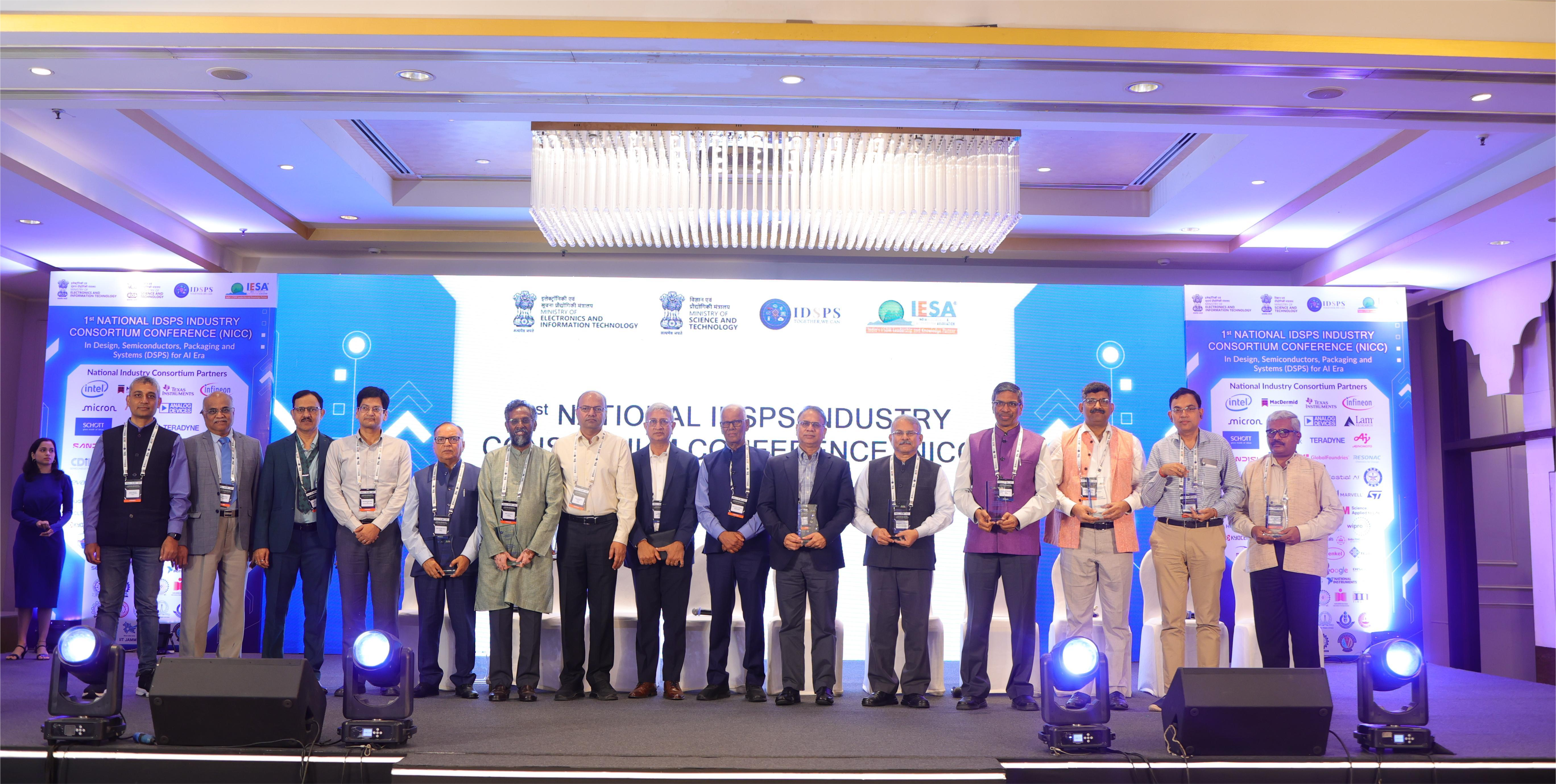
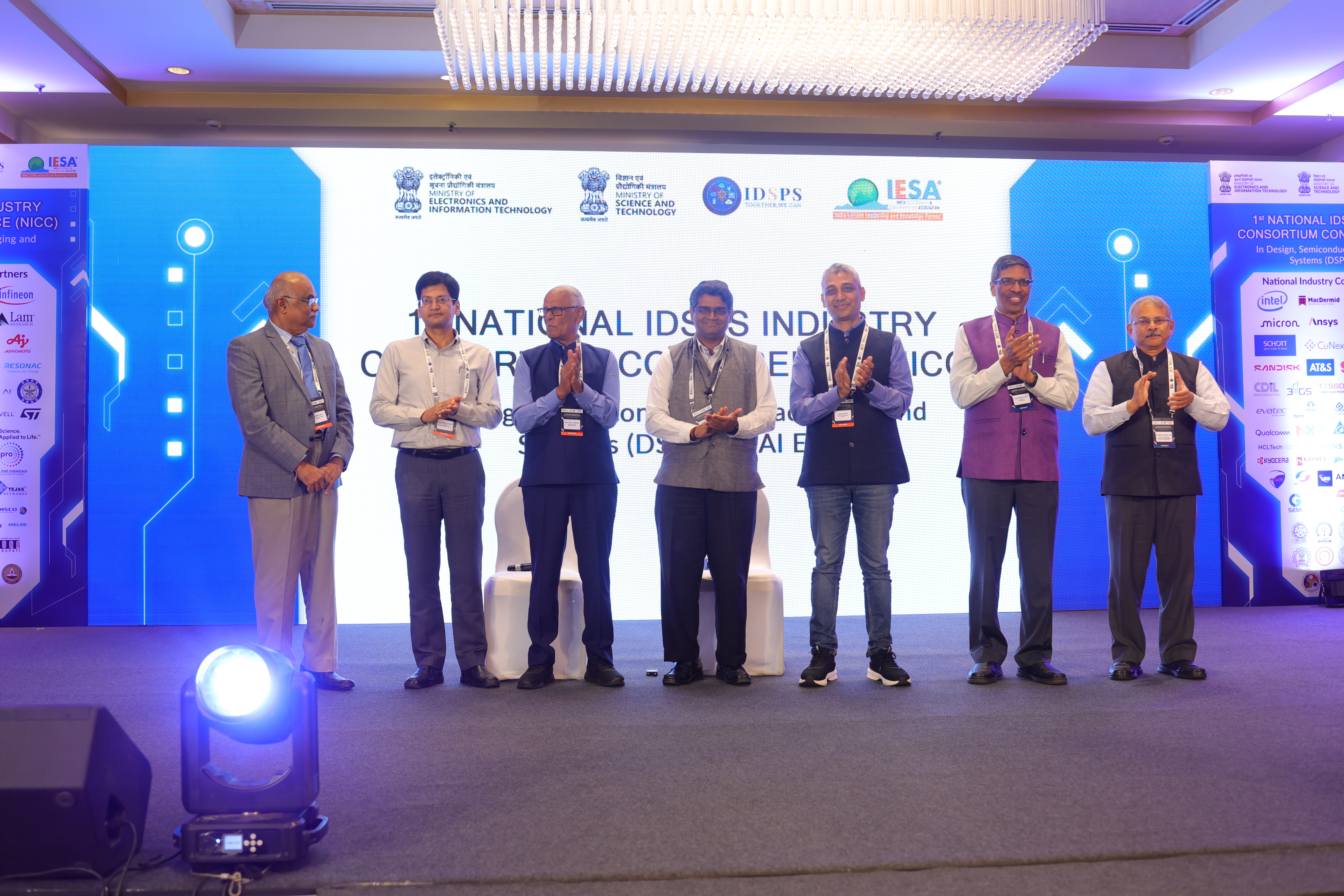
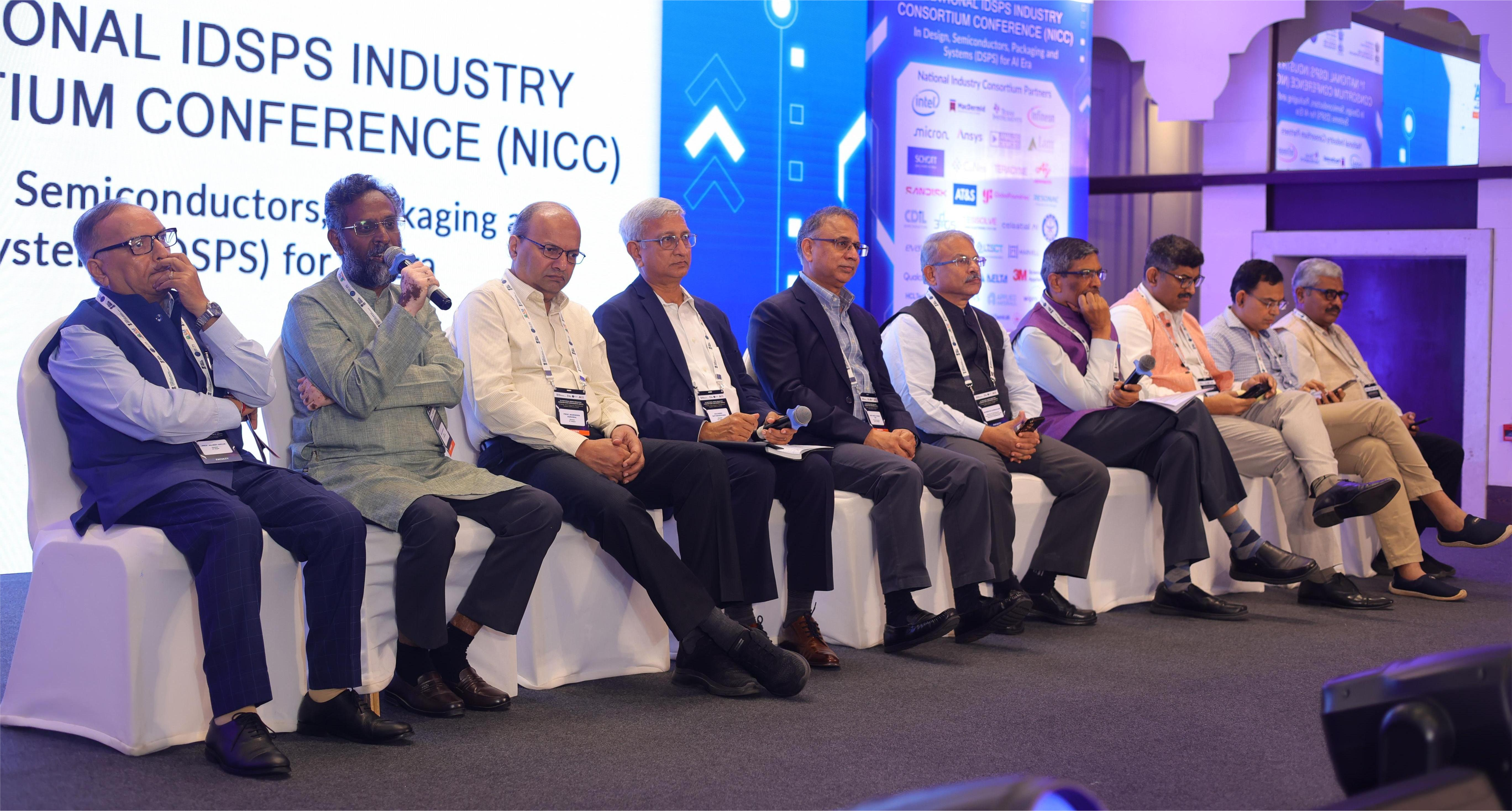
As India enters semiconductor and package manufacturing with $10B incentives in Gujarat, Assam and other states, India needs to develop the entire ecosystem from design to R&D to technology development, manufacturing, products, applications and services as well as workforce development, to sustain its initial manufacturing. This ecosystem requires researchers, developers, suppliers for materials and tools, as well as manufacturers and users, from throughout the world. A National Industry Consortium (NICC) is being developed involving 50-100 global companies from the US, EU, Japan, Korea, Taiwan and India and 50 top Indian research academic institutions.
The purpose of this 1st National Industry Consortium Conference is to bring the entire team of faculty, students, and industry partners together to set up the consortiums to achieve three goals: Next-gen manufacturing research, workforce development and industry prototypes using pilot lines.



9:00 AM - 10:30 AM
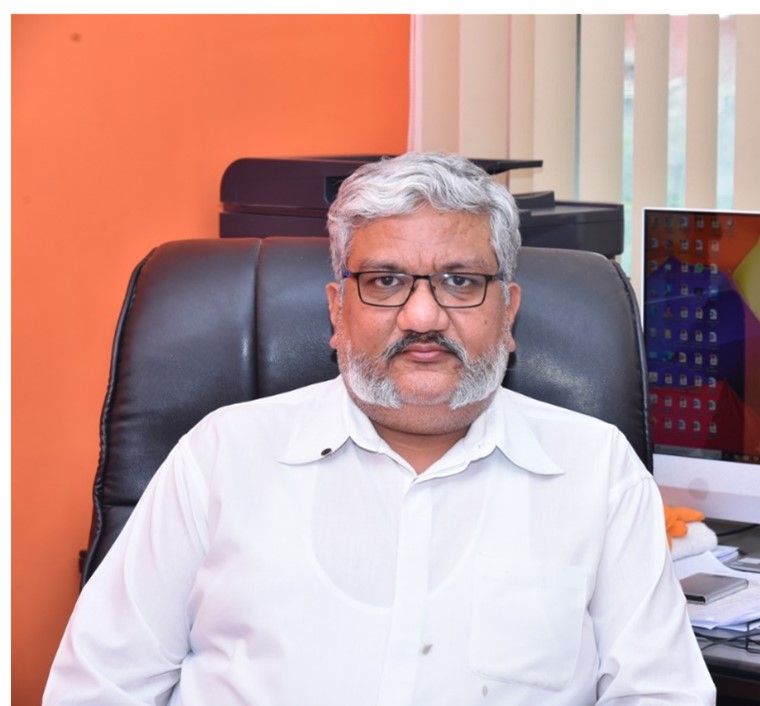
Prof. Rao Tummala
Emeritus Professor, Georgia Tech
Vision of IDSPS Industry Consortium

Ashok Chandak
President, IESA & SEMI India
Management of IDSPS Industry Consortium
Navin Bishnoi
Marvell
Technical Advisory Board
9:00 AM – 10:30 AM
10:30 AM – 11:30 AM
11:30 AM – 12:00 PM
12:00 PM – 1:00 PM
1:00 PM – 2:00 PM
2:00 PM – 6:00 PM
8:00 PM – 9:30 PM
9:00 AM – 12:00 PM
Prof. Rao Tummala
Emeritus Professor, Georgia Tech
9:00 AM – 10:00 AM

Dr. Hari Shanker
Intel

Prof. Somnath Roy
IIT KGP
Navin Bishnoi
Marvell
_.png)
Prof. Jaynarayan Tudu
IIT TP
10:00 AM – 11:00 AM

Guru Thalapaneni
SiCSem

Prof. Akshay K
IIT BBS

Rajesh Kaushal
Delta Electronics
_.png)
Prof. Shiladri Chakraborty
IIT B
11:00 AM – 11:30 AM

Prof. Binod Kumar
IIT Jodhpur

Prof. Bhaskar Mitra
IIT Delhi
11:30 AM - 12:30 PM

Prof. Nilesh Badwe
IIT K

Arun Chandrasekhar
Intel
9:00 AM – 10:30 AM
10:30 AM – 12:00 PM
1:00 PM – 2:00 PM
2:00 PM – 3:30 PM
3:30 PM – 5:00 PM
5:00 PM
Emritus Professor, Georgia Tech
President of IESA

Secretary, Gujarat
Prl Secretary, Odisha

Prl. Secretary, Uttar Pradesh

Spl Chief Secretary, Telangana
Secretary, Andhra Pradesh

IIT Gandhi Nagar

IIT Ropar
IIT Bhubaneswar
IIT Hyderabad

IIT Kanpur

IIT Kharagpur
IIT Tirupati
IISc Bangalore

IIT Bombay

Tessolve

HCL Tech

DRDO

Micron

KLA

Kaynes

CDIL

MacDermid

L&T SCT
Intel
Marvell

Qualcomm
Infineon
Delta Electronics

NXP

Ansys

Resonac

Celestial AI

Applied Materials

Texas Instruments
Analog Devices

Lam Research

Lam Research

CEO, ISM

CEO, Anusandhan National Research Foundation
Secretary, Meity
Emeritus Professor, Georgia Tech
President & CEO, SEMI
Emeritus Professor, Georgia Tech
Qualcomm
IIT Ropar

Ansys

IIT GN
MacDermid

IISc
3D System Scaling
IIT B
Celestial AI

IIT H

Micron
_1.png)
IIT K

Intel
Marvell
IIT KGP
IIT TP

IIT GN
IIT K
Intel
SiCSem
IIT BBS
Delta Electronics
IIT B
IIT Jodhpur
IIT Delhi
IIT K
Intel
IIT K

IIT D
Emeritus Professor, Georgia Tech
Associate Vice President, Marvell

Chief of Staff, IDSPS
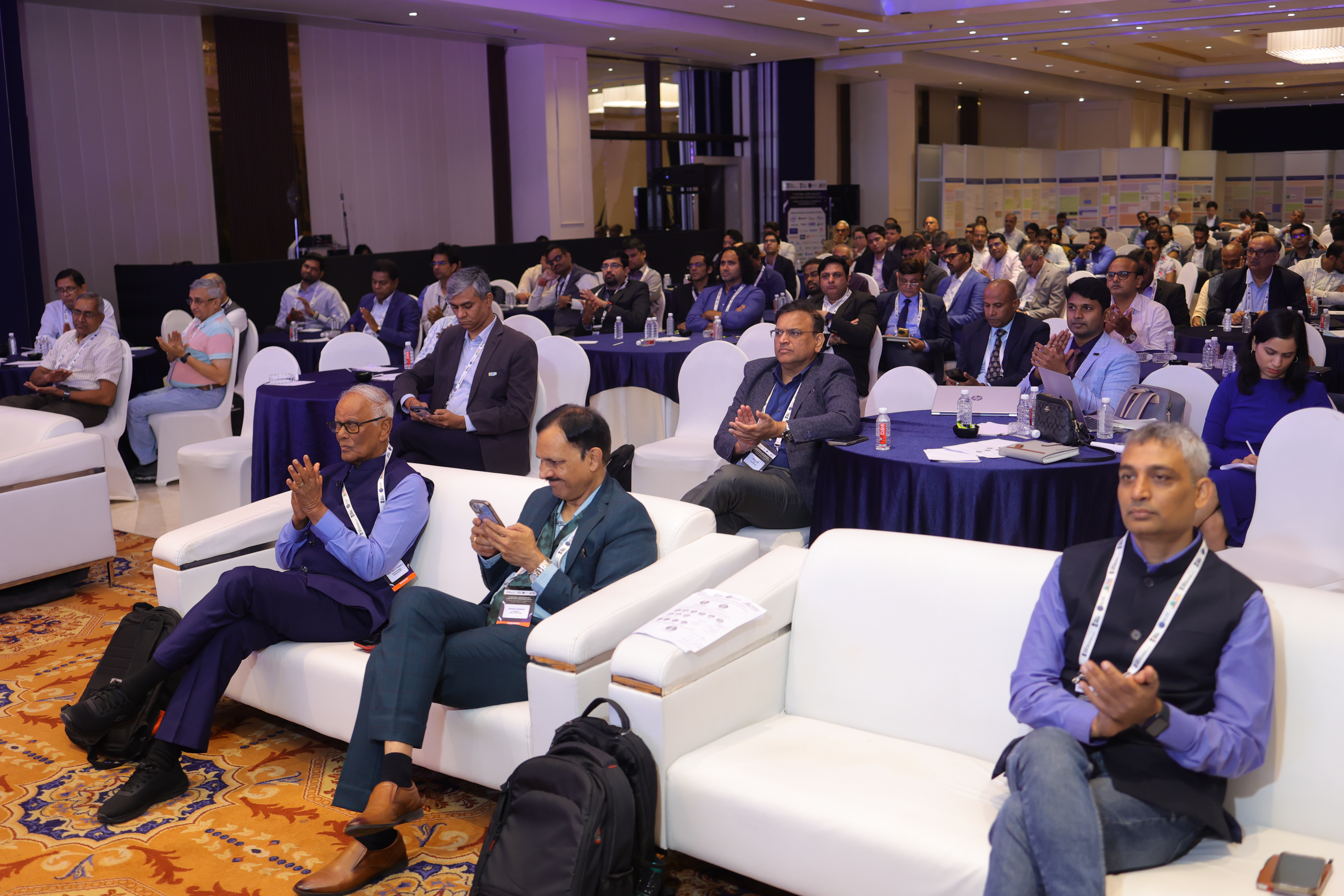
Attendance is limited to the industry consortium members only. A total of about 400 attendees are expected.
India requires 12 strategic technologies classified under four key categories—Design, Devices, Packaging, and Systems. To build a sustainable semiconductor ecosystem, national co-development centers are proposed across the country, each supporting research, skill-building, and pilot manufacturing.
The Indian Design, Semiconductors, Packaging and Systems Program (IDSPS Program) is a national R&D, educated-workforce and global supply-chain industry program with a critical mass team and infrastructure to build India from ground up in all strategic Design, Semiconductors, Packaging and Systems technologies to provide a sustainable path for manufacturing to grow the semiconductor industry for AI era.
Goals of IDSPS Program:
• Next Gen Strategic Designs & Technologies
• Next gen Educated - Workforce.
• Global Supply - chain partnership to design and demonstrate manufacturable technologies
Why IDSPS Program ?
While the initial ISM-subsidized manufacturing lines in Gujarat and Assam are based on legacy-node technologies, the rest of the advanced world is focusing on 2030 manufacturing technologies, such as optoelectronics for computing, compound semiconductors to form ultrahigh density integrated power modules for electric cars, glass panel chiplet packaging to 1 micron lithography in 3D chiplet architectures, and copper-to copper or hybrid bonding, and assembly, replacing solders, for AI era in view of slowdown of Moore’s Law. These are exactly the same technologies being developed in the IDSPS program to bring India to global level with a sustainable manufacturing path.





.png)






.webp)